
Grow Skills. Strengthen
Your Workforce.
Identify skill requirements, support employee development, and connect learning opportunities with business priorities.
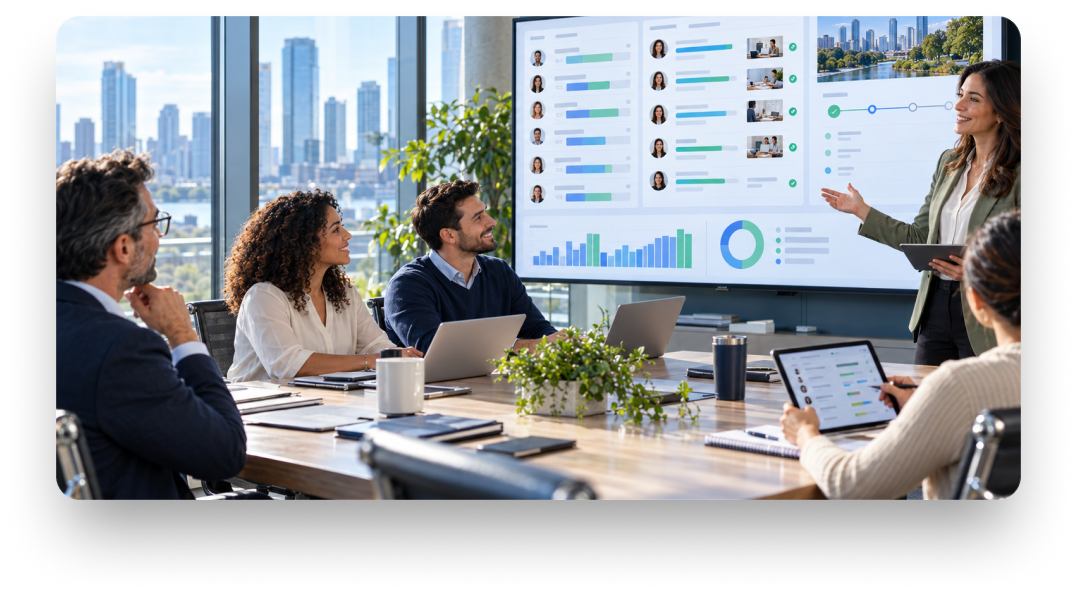
Give Skills a Clearer Direction
The Skill Development Service of HRCRM enables organizations to identify development needs, organize learning priorities, track employee progress, and create a stronger connection between individual capabilities and evolving business requirements.
When Workforce Potential Goes Untapped
Skill Gaps Stay Hidden
Organizations usually struggle to identify which capabilities employees need to develop.
Development Lacks Direction
Employees may receive learning opportunities without a clear connection to their roles or goals.
Growth Plans Become Scattered
Development activities can become difficult to coordinate across employees, teams, and departments.
Progress Remains Unclear
Managers may lack visibility into whether employees are actually progressing toward development goals.
Learning Becomes Disconnected
Training and development efforts may not connect clearly with performance or business priorities.
Future Skills Go Unplanned
Organizations can find it difficult to prepare employees for changing responsibilities and emerging needs.
Development Opportunities Feel Uneven
Some employees may receive more structured growth support than others.
Potential Goes Unused
Without focused development, existing employee capabilities may not fully support organizational growth.





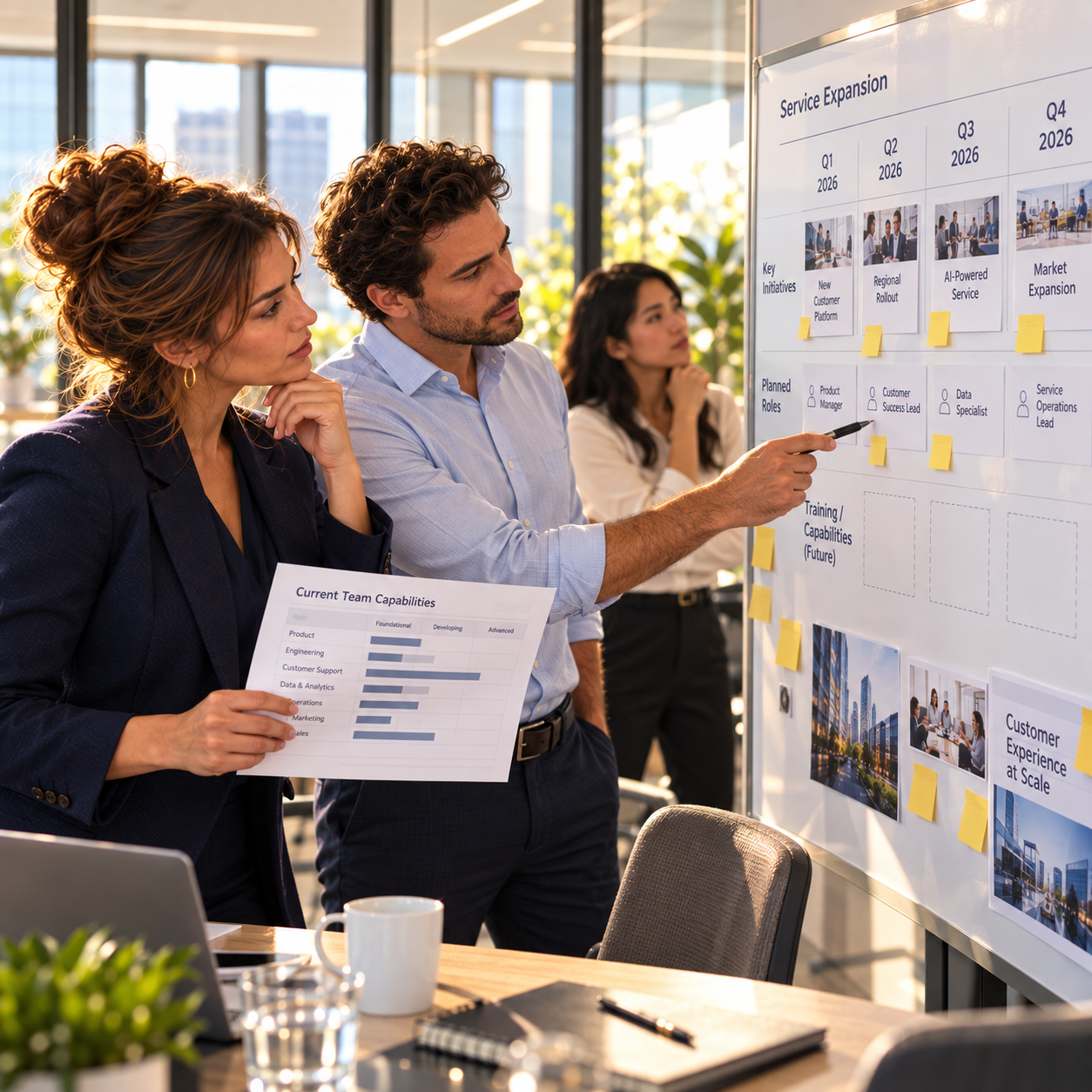


Bring Employee Development
into Focus
Skill Development Visibility
Maintain clearer visibility into employee development needs and ongoing skill-building activities.
Development Goal Setting
Connect employee development efforts with specific goals, responsibilities, and organizational priorities.
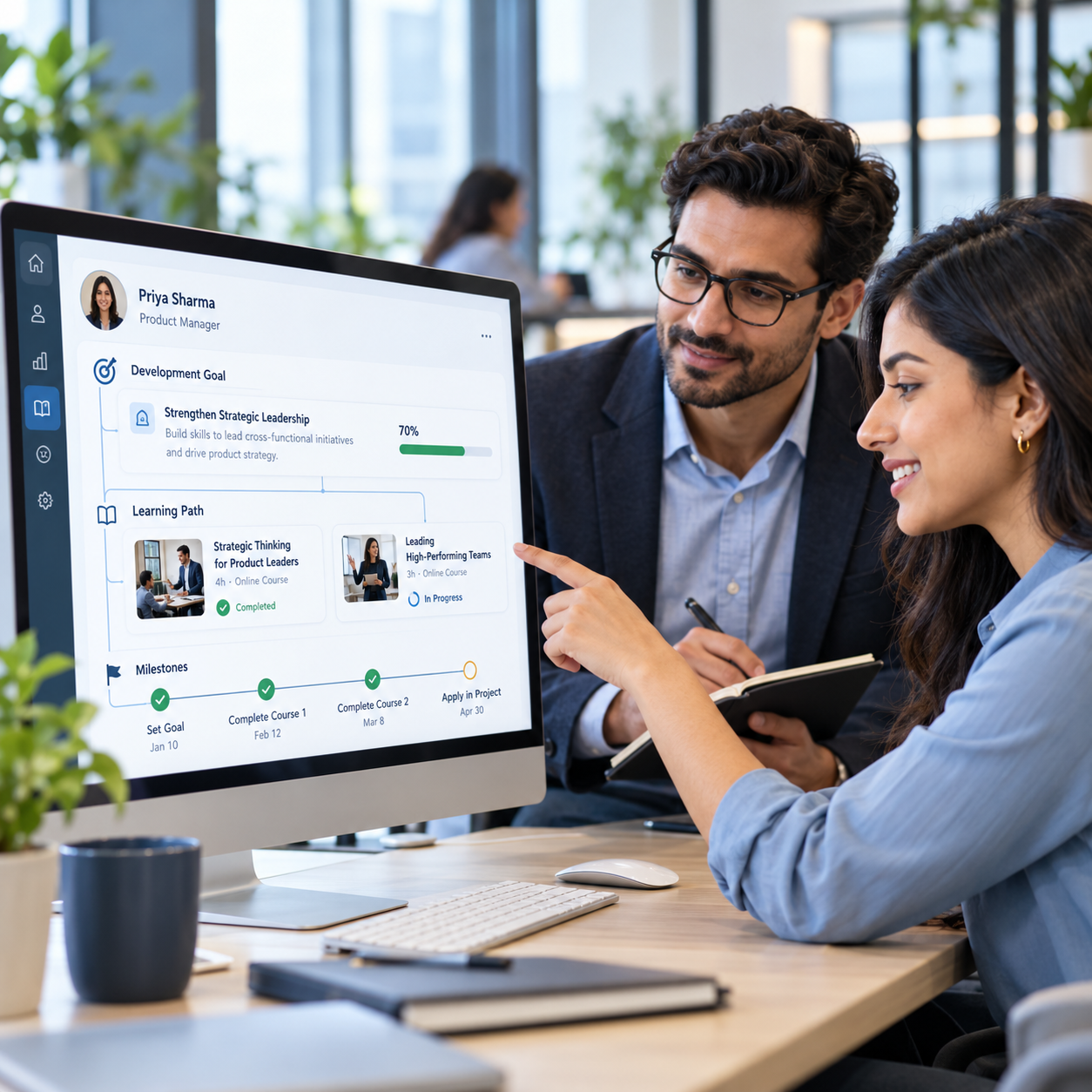
Learning Integration
Connect skill development with relevant training and learning opportunities.
Progress Tracking
Monitor development progress and maintain a clearer record of employee growth.
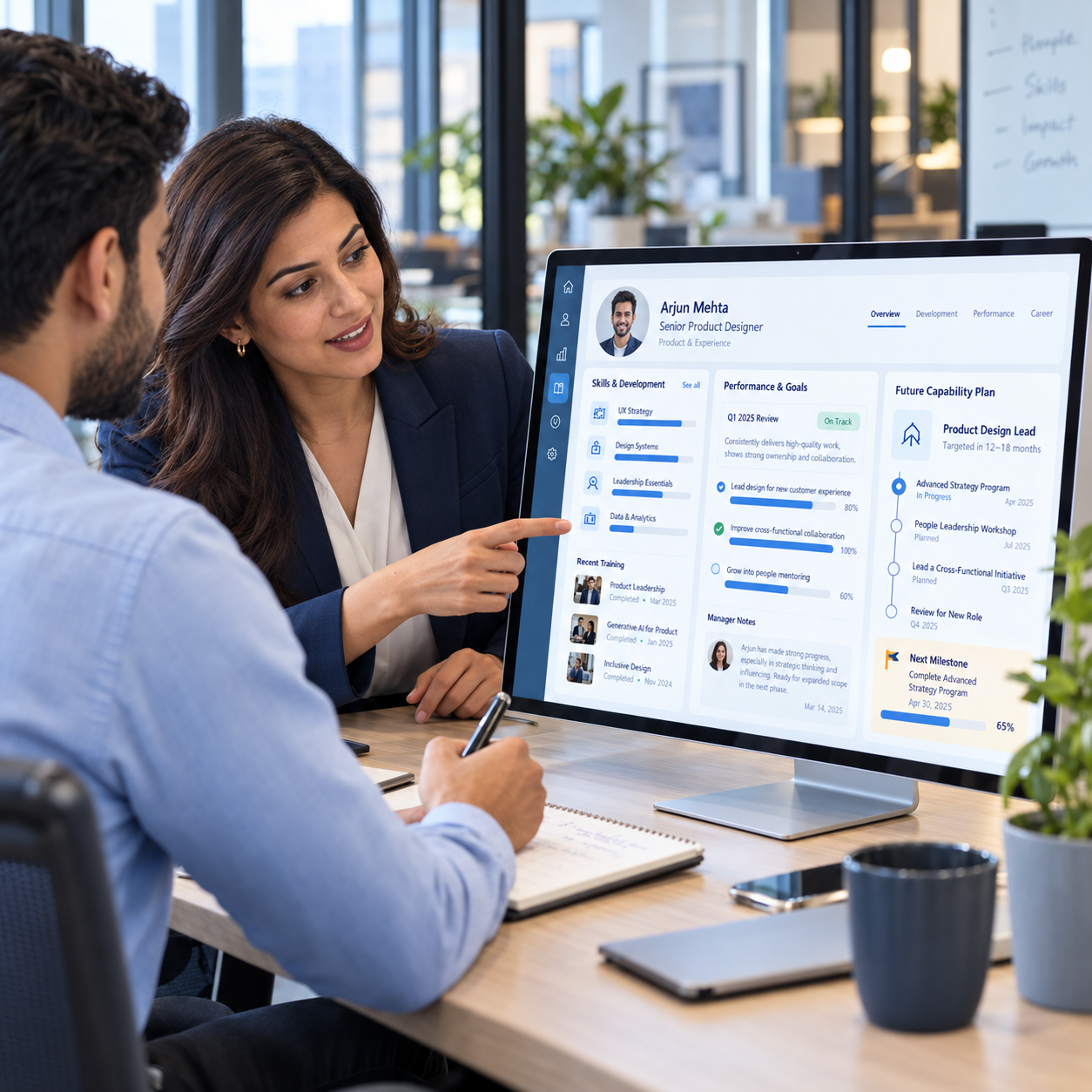
Employee Development Records
Keep important skill and development information organized within employee records.
Manager Visibility
Give managers a better context for supporting employee growth and development conversations.
Performance Connection
Bring development information into broader performance and employee growth discussions.
Future-Ready Workforce
Support ongoing capability development as roles, responsibilities, and business requirements evolve.
Make Workforce Development Deliver More
Improve alignment between workforce skills and business needs.
Identify development priorities before skill gaps become larger challenges.
Strengthen employee capabilities across teams and departments.
Support stronger internal mobility and career development.
Improve workforce readiness for changing business requirements.
Create more focused employee development conversations.
Increase the value generated from training investments.
Build a culture of continuous learning and improvement.
Four Steps to Stronger Workforce Capabilities

Step 1
Review business priorities, roles, responsibilities, and performance to identify important skill requirements.
Step 2
Set employee-specific development goals that are based on identified gaps and future capabilities.
Step 3
Connect employees with relevant training, learning activities, and development opportunities.
Step 4
Review all development activities, maintain progress records, and use insights to guide future growth conversations.
Where Continuous Learning Matters
Growing Businesses
Efficiently build employee capabilities alongside organizational growth.
Startups
Develop versatile employees as the business and roles evolve quickly.
IT & Software Companies
Support continuous technical and professional development.
Professional Services
Strengthen the expertise of employees across client-facing teams.
Manufacturing Businesses
Develop workforce capabilities around changing operational needs.
Healthcare Organizations
Support ongoing employee learning and role development.
Educational Institutions
Encourage structured development across diverse employee groups.
Financial Services
Build capabilities around evolving business and professional requirements.
Large Enterprises
Coordinate workforce development across teams, roles, and departments.
Turn Potential into Workforce
Capability
Skill Development Services of HRCRM bring skill development, employee growth, learning activities, and development progress together to create a more capable and future-ready workforce.
Frequently Asked Questions
Why is Skill Development important for organizations?
Skill Development enables organizations to strengthen workforce capabilities, address skill gaps, support employee growth, and prepare teams for changing business requirements.
Can HRCRM help identify employee skill gaps?
Yes, HRCRM can help identify employee skill gaps. HRCRM can help organizations structure and track identified development needs, so employees and managers have clearer areas to focus on.
Can Skill Development be connected with training?
Yes, the Skill Development Service of HRCRM can relate to training and learning activities. It helps organizations align learning opportunities with identified development needs.
Can Skill Development be used across different departments?
Yes, the Skill Development Service of HRCRM can be used across different departments. Skill development can be structured around different roles, teams, departments, and organizational requirements.