
Make Feedback Part of
Everyday Work
Keep employee feedback timely and meaningful with HRCRM, helping managers and teams share observations, recognize progress, address concerns, and encourage ongoing development throughout the years.
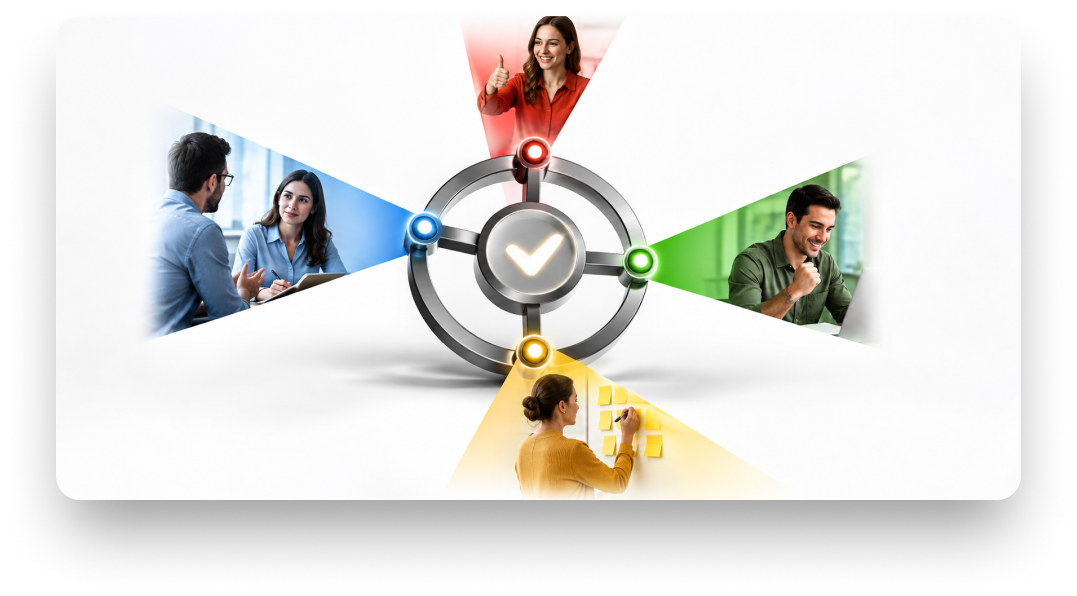
Feedback Works Best While It's Relevant
A missed conversation can become a missed opportunity for growth. HRCRM helps managers provide timely feedback, recognize strong contributions, address challenges early, and offer meaningful guidance. It gives employees clearer direction without making development conversations wait for formal performance reviews.
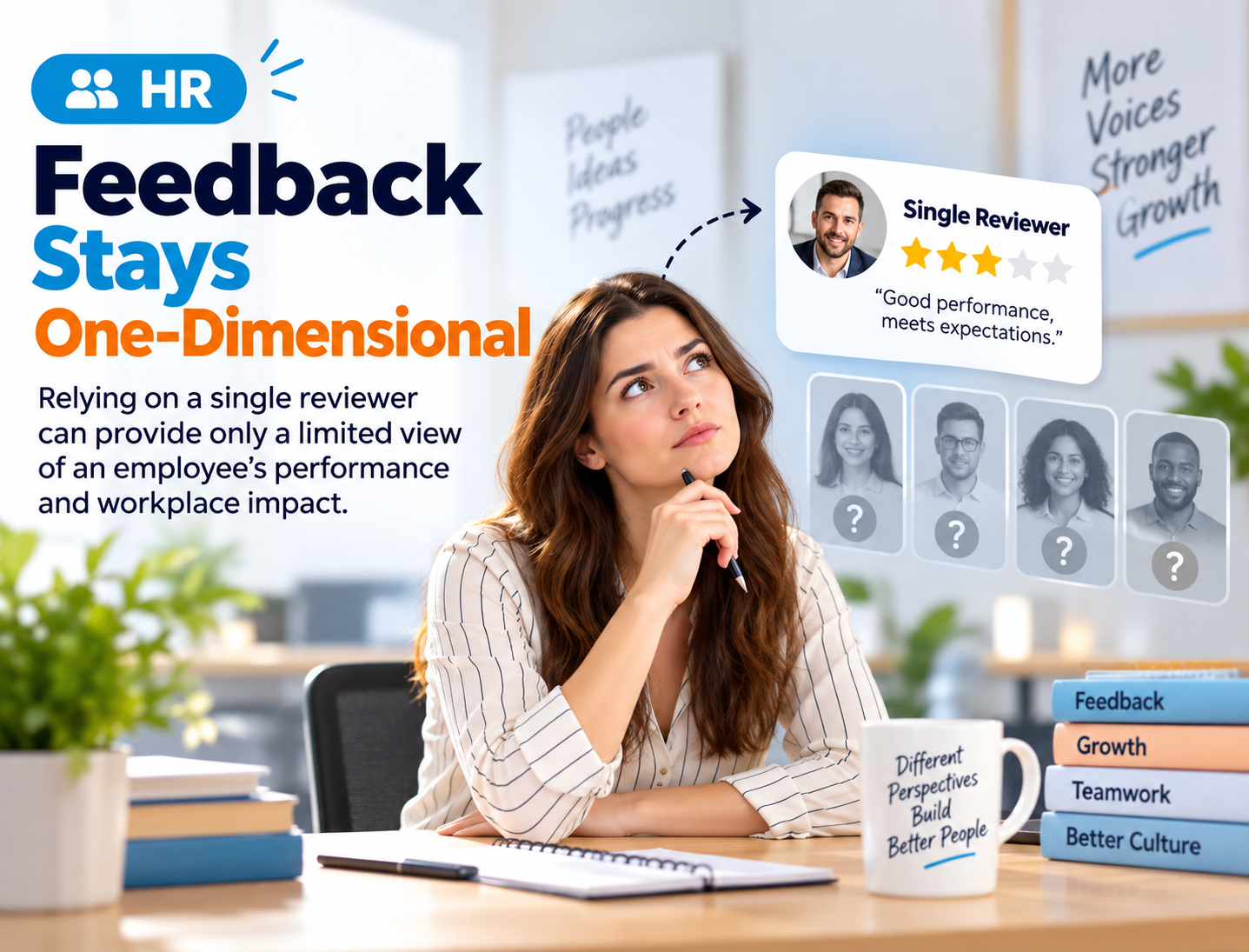
When Feedback Gets Lost Between Reviews
Feedback Happens Too Late
Employees may receive important feedback months after the behavior, achievement, or challenge originally occurred.
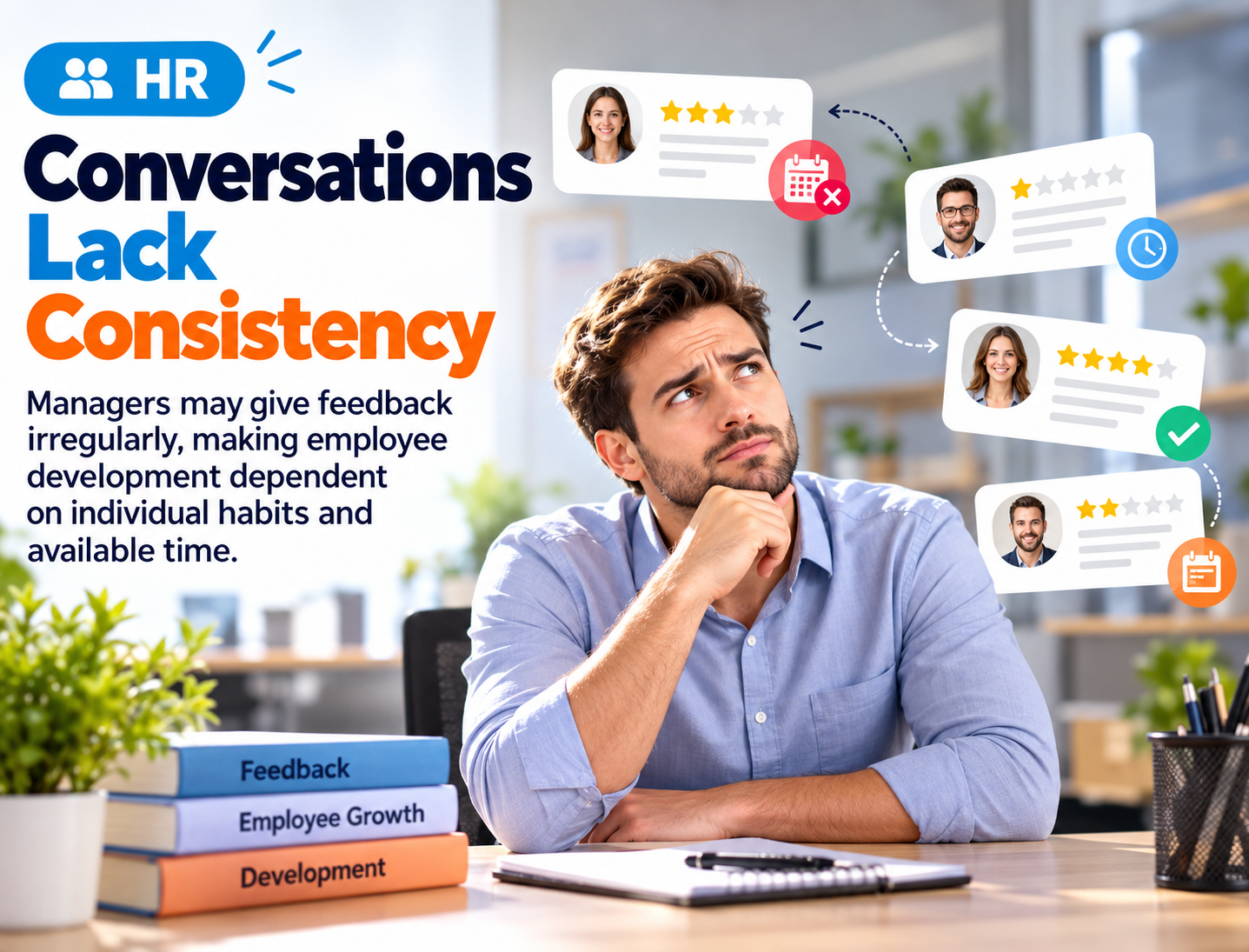
Conversations Lack Consistency
Managers may give feedback irregularly, making employee development dependent on individual habits and available time.
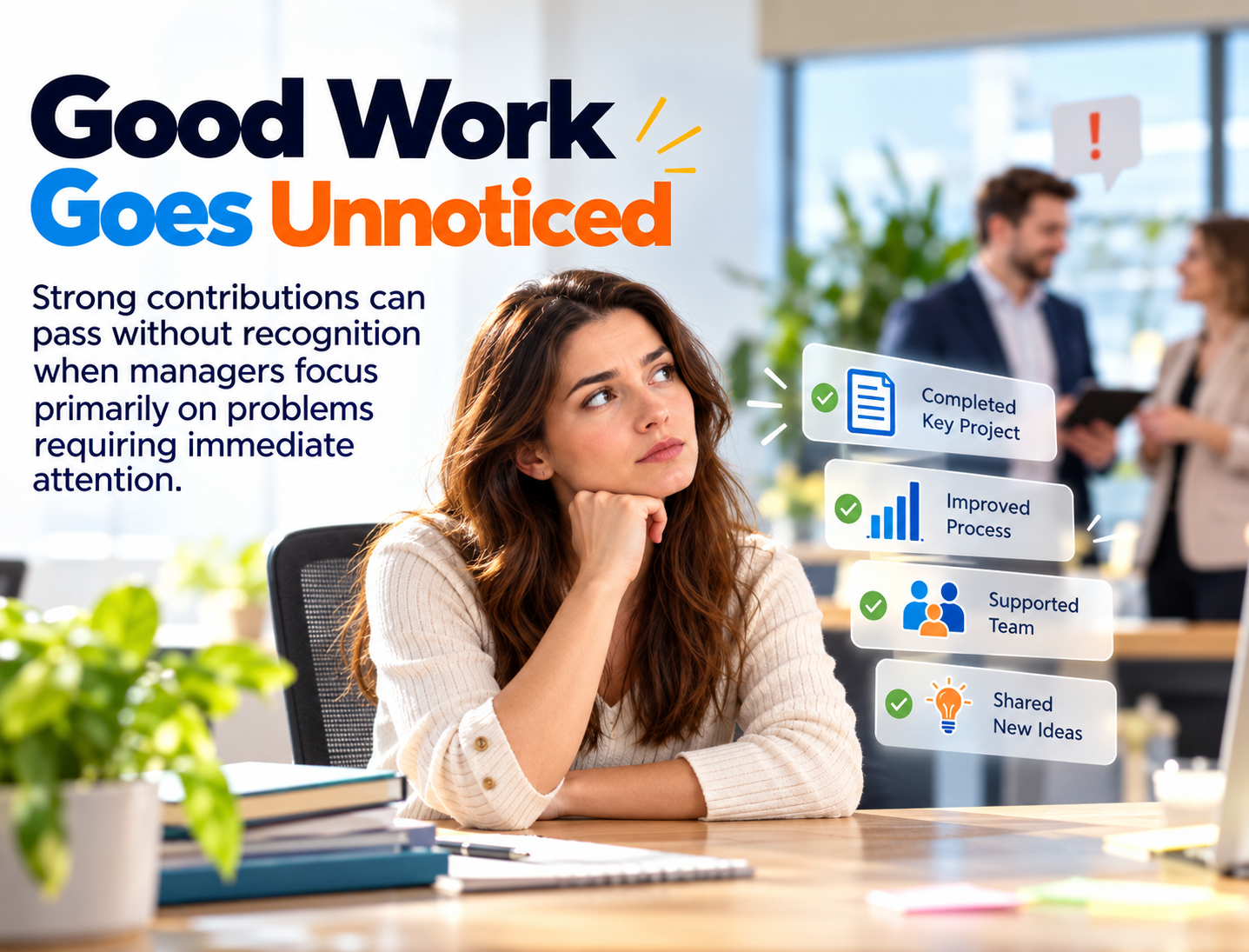
Good Work Goes Unnoticed
Strong contributions can pass without recognition when managers focus primarily on problems requiring immediate attention.
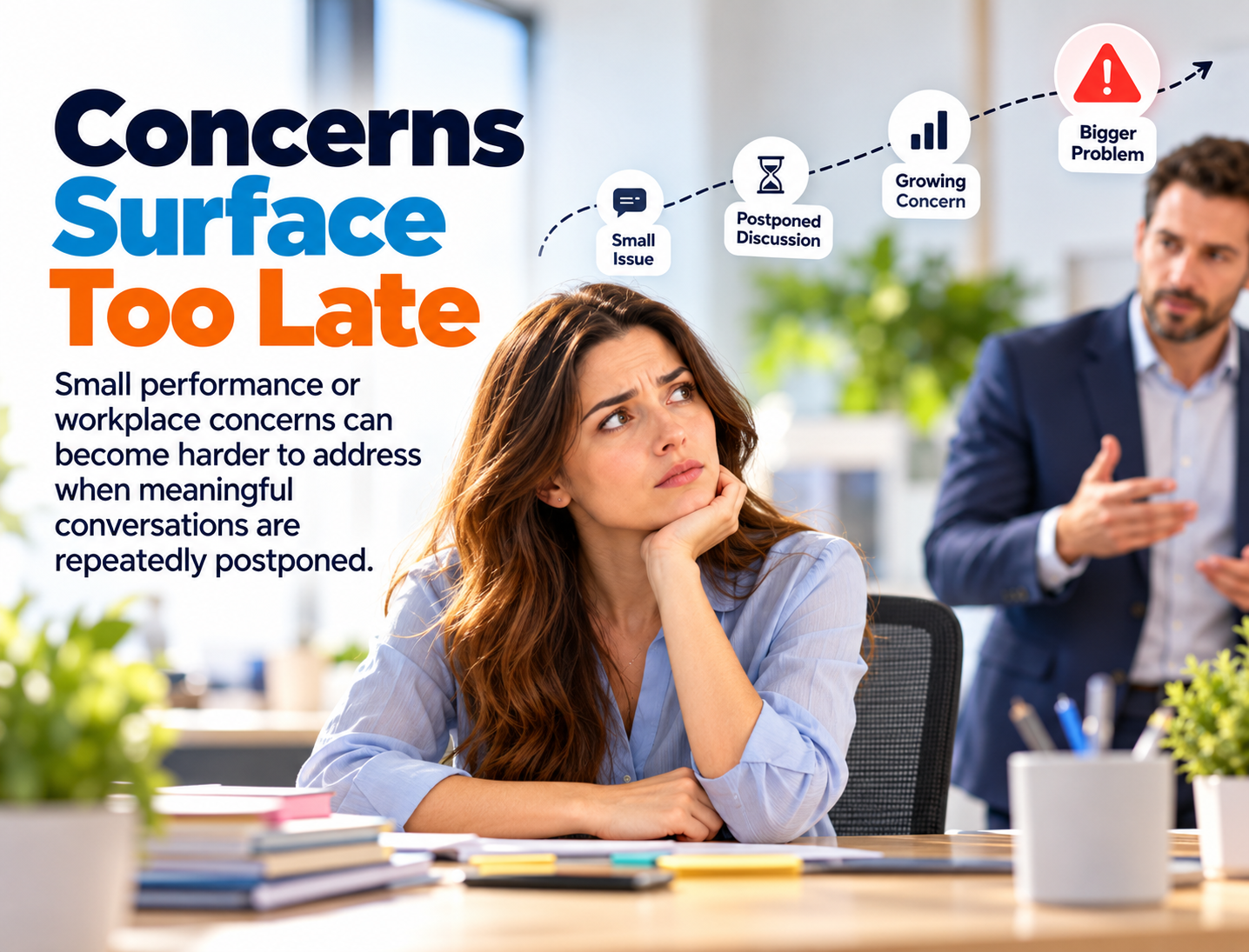
Concerns Surface Too Late
Small performance or workplace concerns can become harder to address when meaningful conversations are repeatedly postponed.
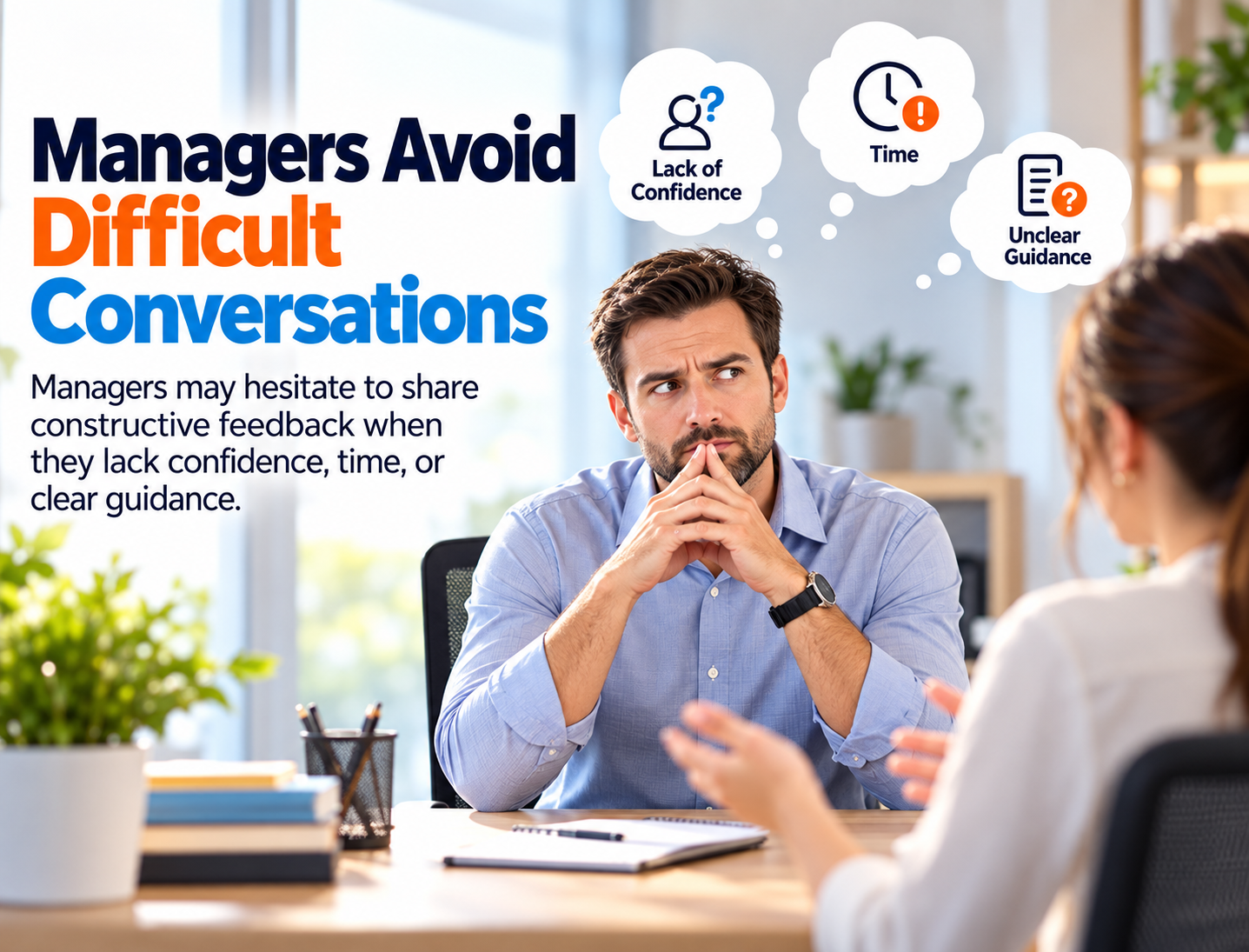
Managers Avoid Difficult Conversations
Managers may hesitate to share constructive feedback when they lack confidence, time, or clear guidance.
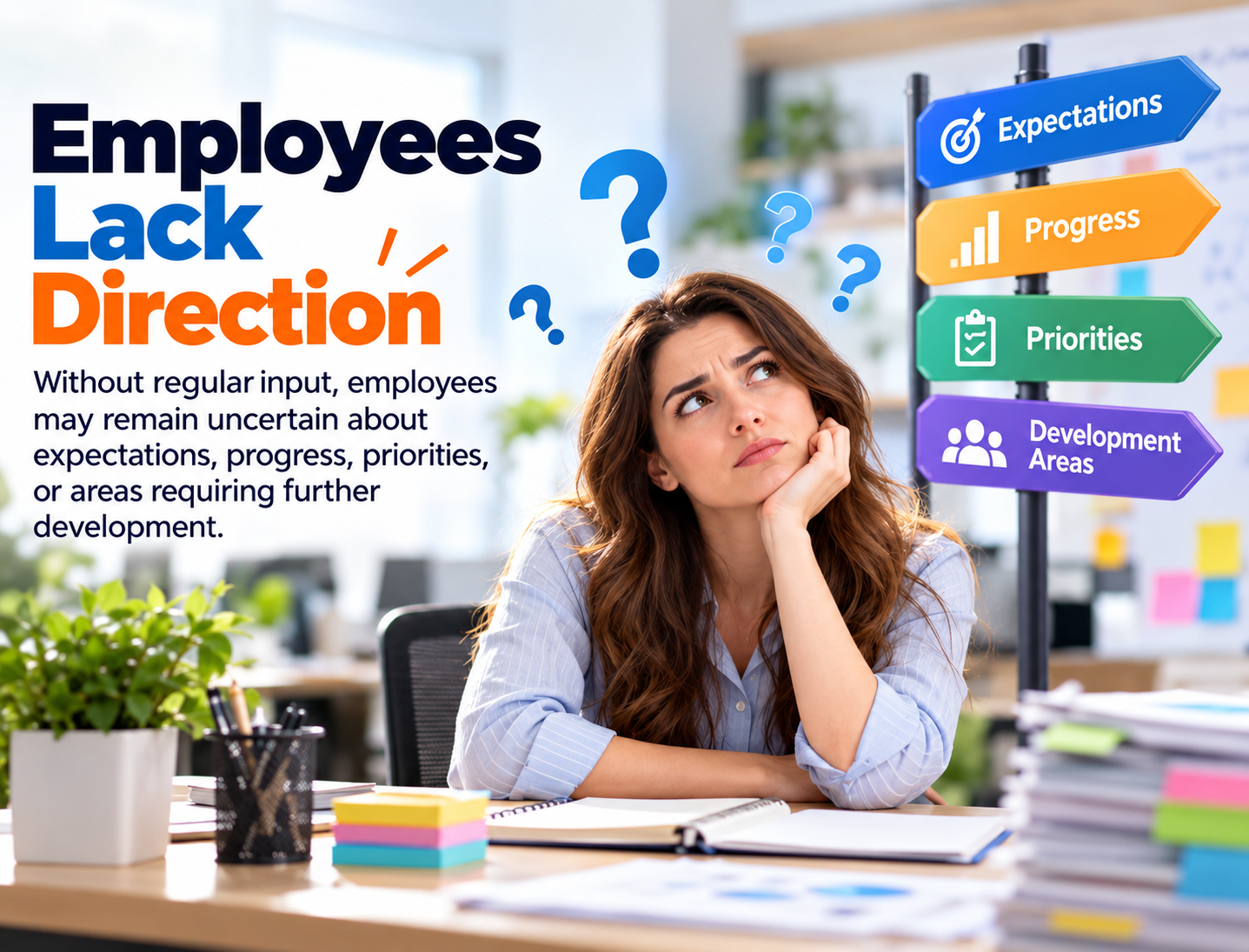
Employees Lack Direction
Without regular input, employees may remain uncertain about expectations, progress, priorities, or areas requiring further development.
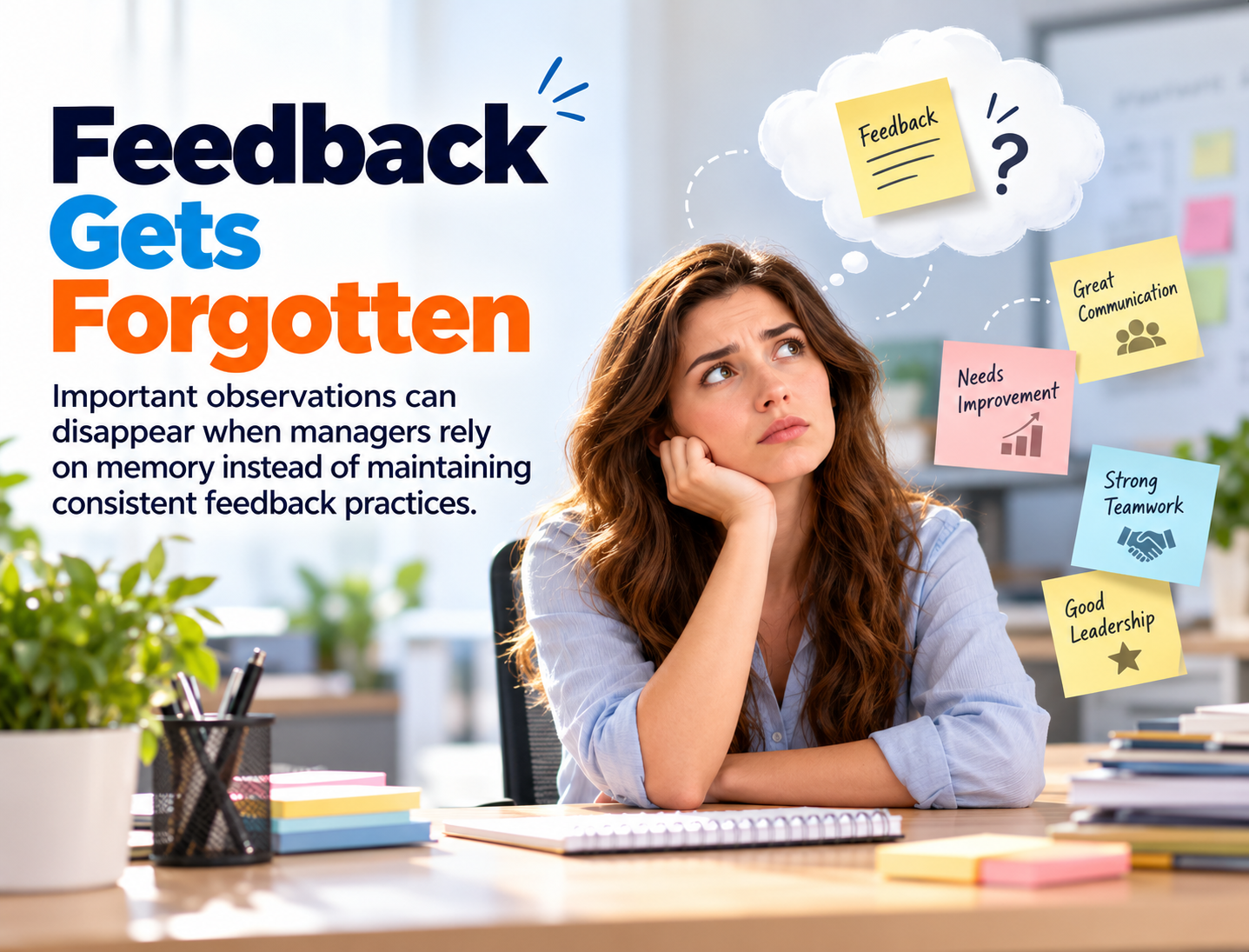
Feedback Gets Forgotten
Important observations can disappear when managers rely on memory instead of maintaining consistent feedback practices.
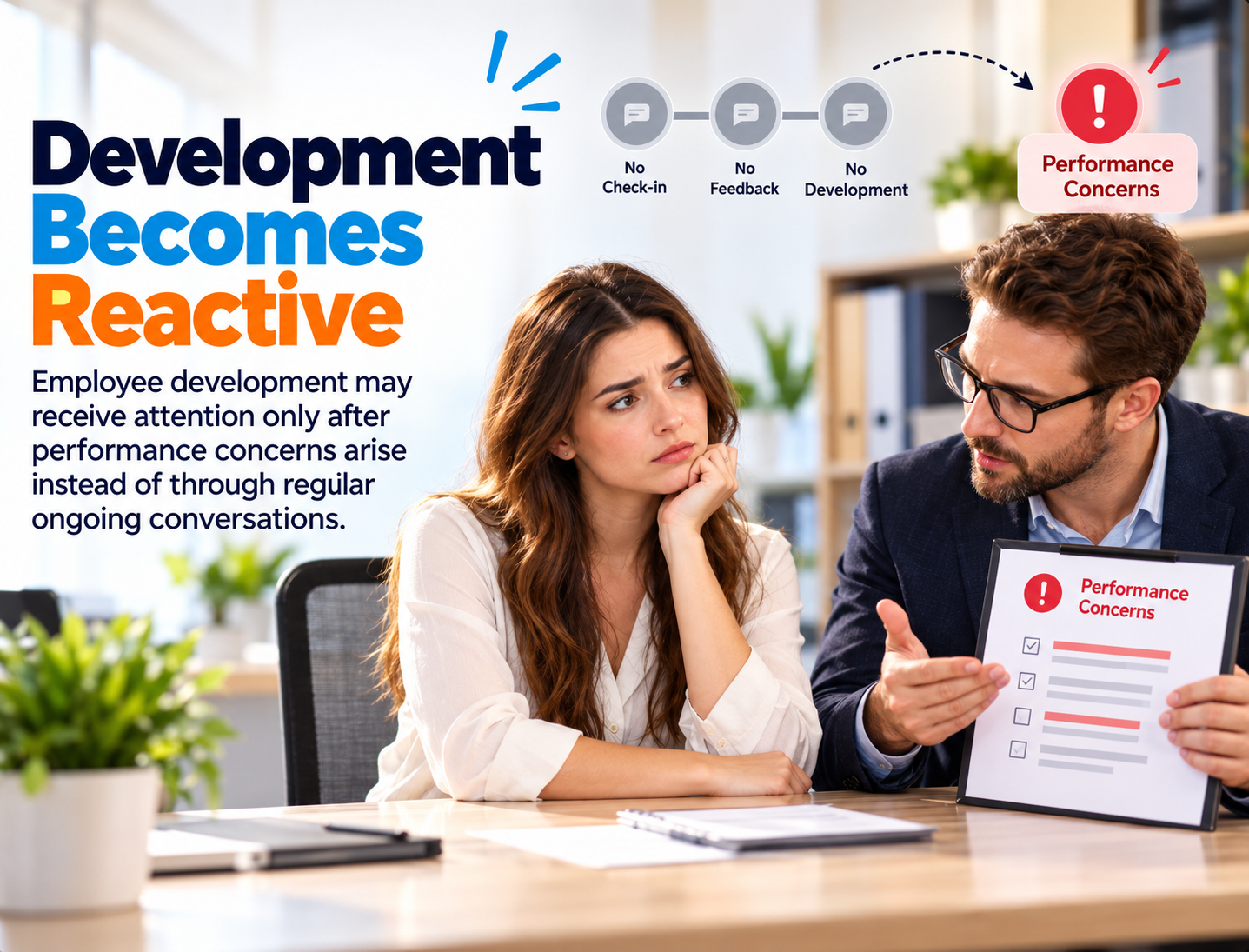
Development Becomes Reactive
Employee development may receive attention only after performance concerns arise instead of through regular ongoing conversations.
A Feedback Platform That Fits Your Culture
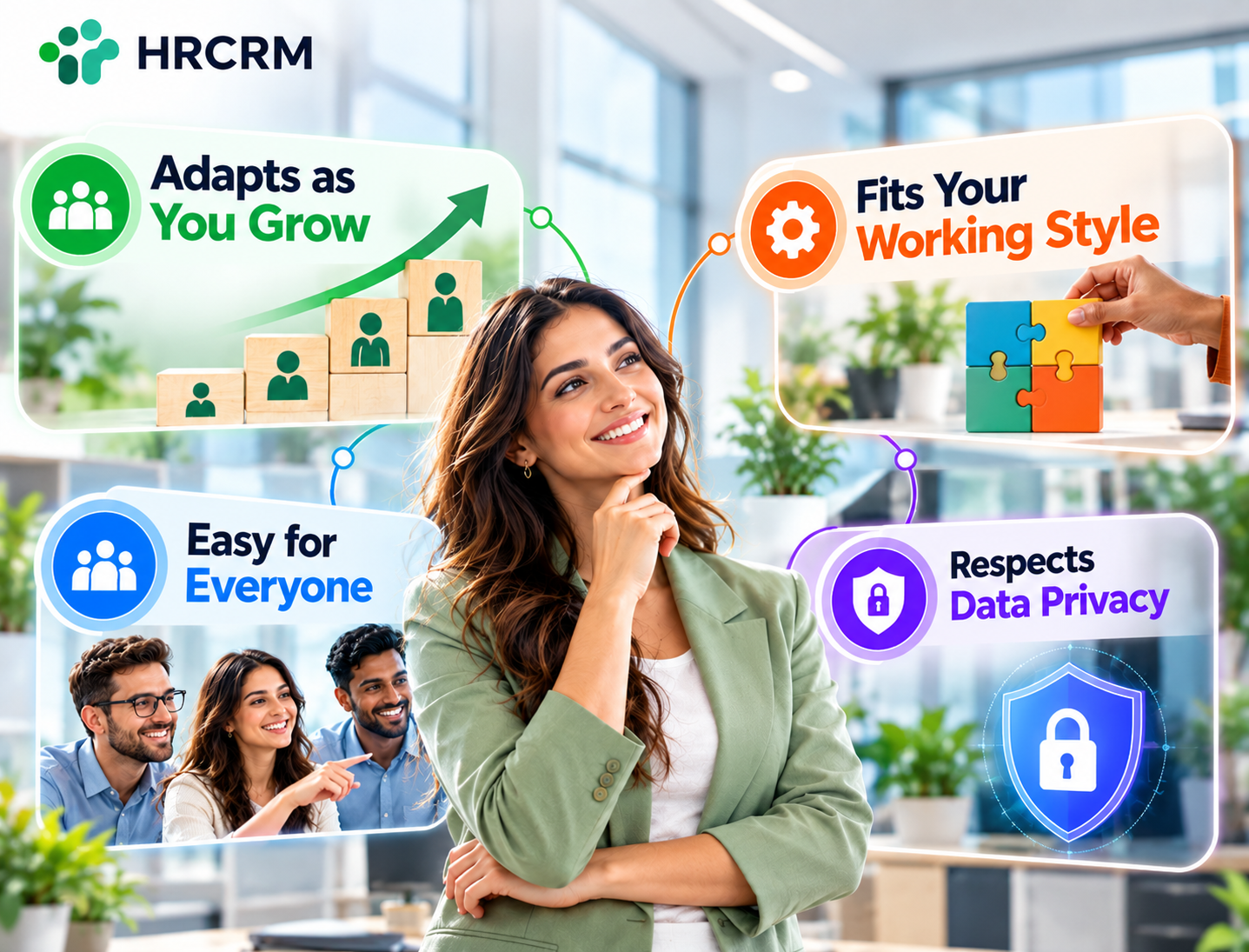
Adapts as You Grow
Supports larger teams, changing organizational structures, and evolving employee development practices without outgrowing your HR platform.
Fits Your Working Style
HRCRM can align with different management styles, team structures, organizational policies, and approaches to employee development.
Easy for Everyone
A straightforward experience helps managers and employees participate in feedback without adding unnecessary complexity to everyday interactions.
Respects Data Privacy
Sensitive employee information deserves careful handling, with access controls, and security-conscious practices supporting responsible data management.
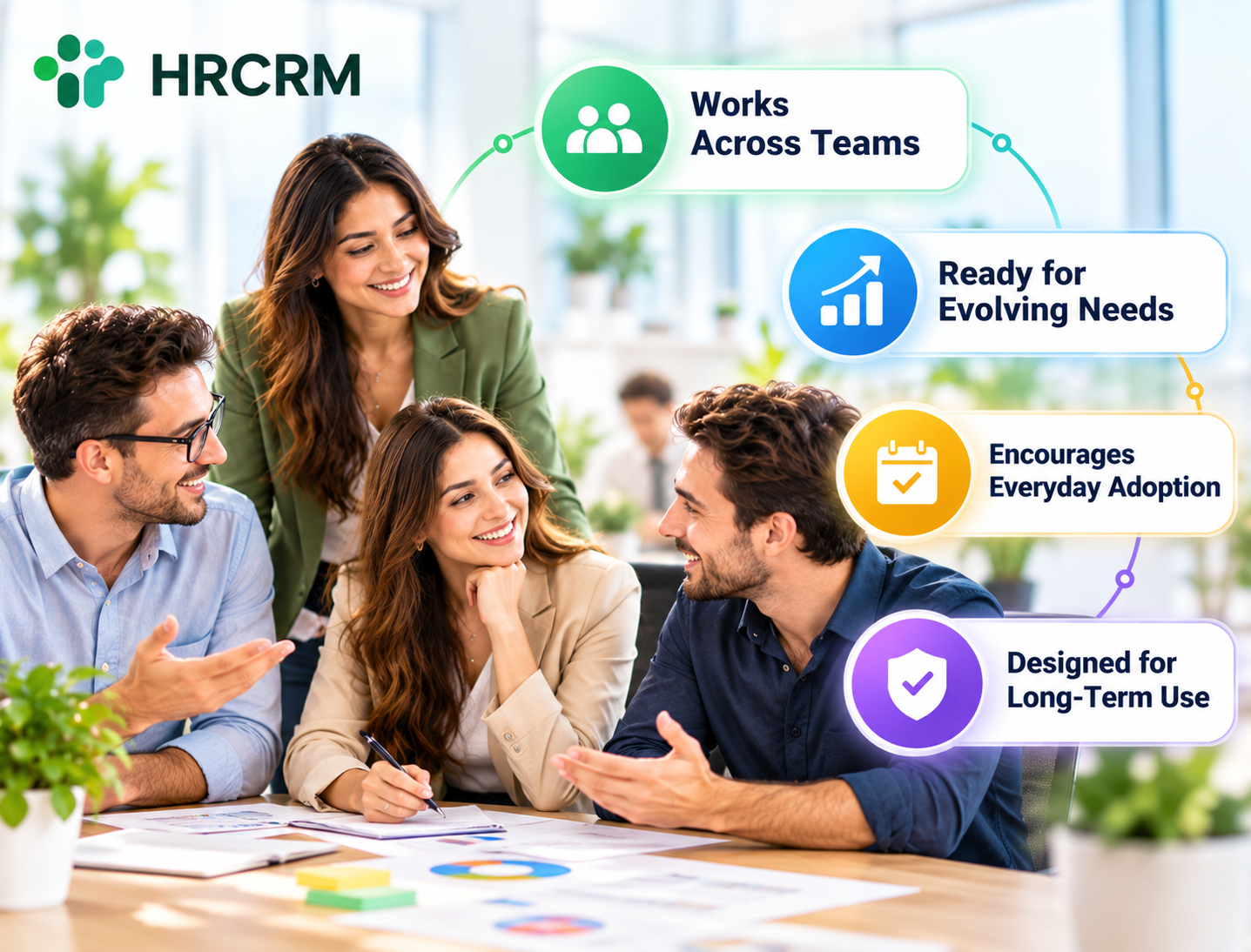
Works Across Teams
Support feedback practices across departments, roles, and workforce structures without forcing every team into an identical approach.
Ready for Evolving Needs
Adjust your approach as expectations, workplace policies, management practices, and employee development priorities continue to evolve.
Encourages Everyday Adoption
An intuitive platform allows managers and employees to make feedback part of their regular working routines.
Designed for Long-Term Use
HRCRM offers a dependable foundation that can continue supporting your organization as feedback practices mature and workforce needs change.
Turn Better Feedback Into Real Progress
Helps employees act on useful feedback sooner, turning everyday guidance into meaningful professional growth.
Create more open conversations between managers and employees, making it easier to discuss progress, expectations, and challenges.
Recognize valuable contributions while they are fresh, giving employees timely acknowledgement for the work they do well.
Address emerging performance concerns before they become larger issues that require difficult corrective conversations.
Give employees a clearer understanding of their strengths, development areas, and expectations through regular performance conversations.
Encourage employees to take greater ownership of their responsibilities, progress, and professional development.
Help managers become more intentional about giving guidance, recognizing contributions, and supporting their teams throughout the year.
Make constructive feedback a more natural part of working relationships rather than an occasional formal exercise.
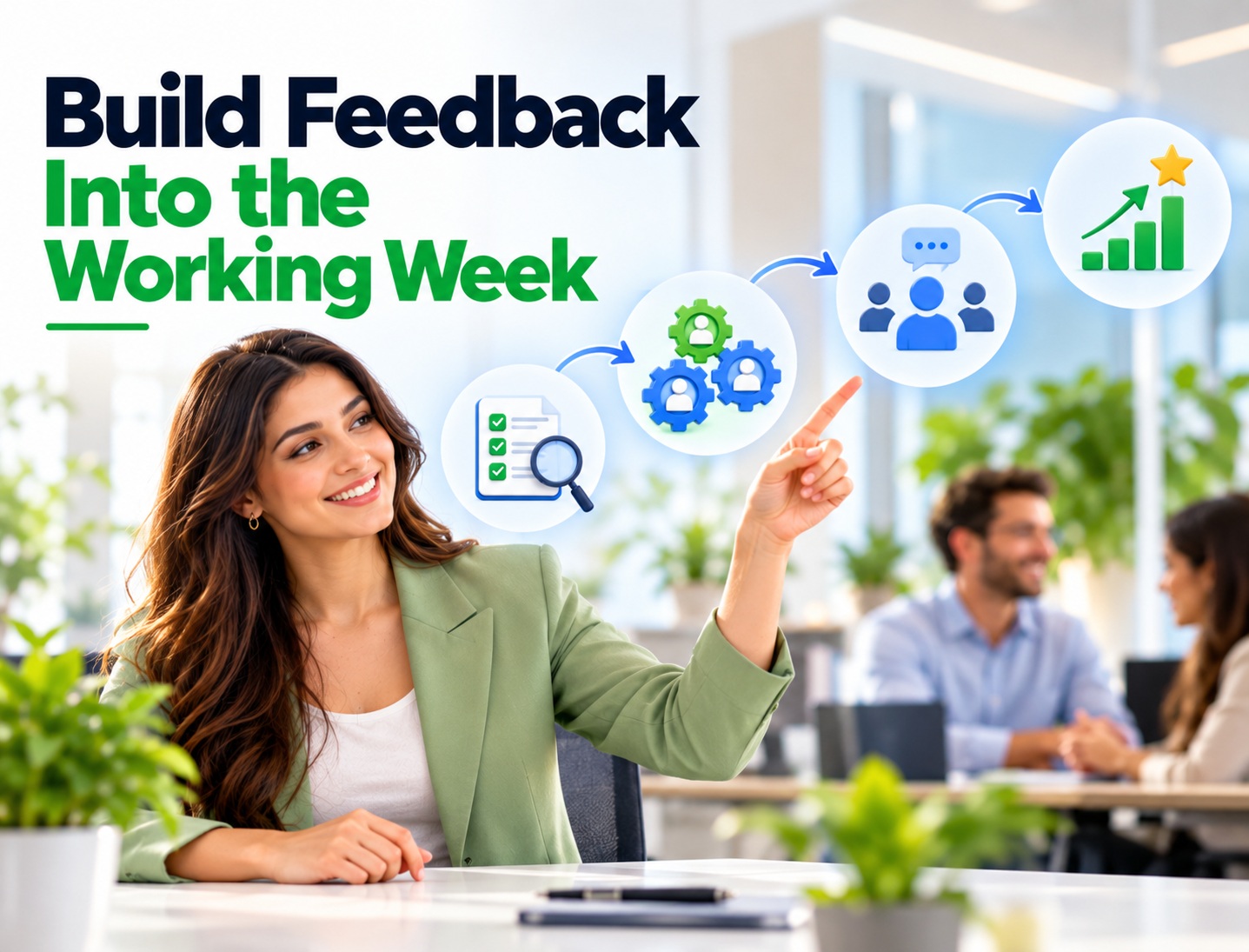
Build Feedback Into the Working Week
Step 1
We review your feedback culture, management practices, employee needs, and organizational expectations to establish the right starting point.
Step 2
HRCRM is configured around your teams, roles, feedback practices, permissions, and employee development requirements.
Step 3
Managers and employees receive guidance to build confidence around giving, receiving, and responding to meaningful feedback.
Step 4
Begin using Continuous Feedback to recognize progress, discuss challenges, and support employee development throughout the working year.
For Workplaces Where People Keep Growing
Technology Companies
Support fast-moving teams where changing priorities make regular guidance and performance conversations especially valuable.
Professional Services Firms
Help managers provide timely input to consultants and specialists working across clients, projects, and changing responsibilities.
Healthcare Organizations
Support ongoing conversations among clinical, administrative, and operational teams where performance and development require regular attention.
Education Institutions
Encourage meaningful feedback for teaching, administrative, academic, and support staff throughout the working year.
Retail Organizations
Help managers recognize employee contributions and discuss development across stores, shifts, departments, and customer-facing teams.
Large Enterprises
Create consistent opportunities for feedback across departments, management levels, locations, and diverse employee groups.
Growing Businesses
Establish stronger feedback habits as teams expand, responsibilities change, and managers take on larger leadership roles.
Customer Service Teams
Support regular coaching around communication, service quality, customer interactions, and individual performance.
Remote & Hybrid Workforces
Maintain meaningful manager-employee conversations when teams do not share the same workplace or working schedule.
Make Feedback Part of How You Lead
Centralize employee management, automate everyday HR processes, and empower your team with a secure, scalable platform designed for business growth.
Frequently Asked Questions
What is Continuous Feedback in the workplace?
Continuous Feedback is an ongoing exchange of observations, recognition, guidance, and constructive input between managers and employees.
How is Continuous Feedback different from annual performance reviews?
Continuous Feedback happens throughout the year, while annual reviews typically assess employee performance during a scheduled formal evaluation.
Who should provide Continuous Feedback to employees?
Managers, team leaders, supervisors, and other designated stakeholders can provide feedback based on roles and organizational practices.
How does HRCRM support Continuous Feedback?
HRCRM helps organizations create regular feedback practices that support timely conversations, employee development, recognition, and constructive performance guidance.