See Where Your Workforce Is
Heading
Use Workforce Analytics to understand changing workforce patterns, identify areas that deserve attention, and gain a broader view of how your people landscape is evolving.
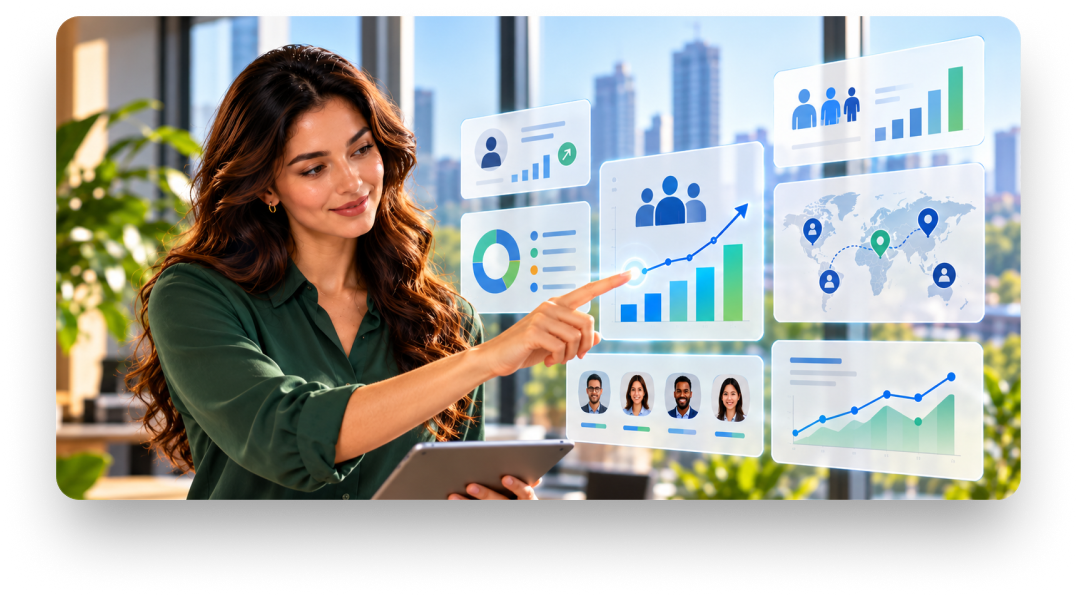
Put Workforce Trends Into Perspective
Workforce Analytics gives HR a clearer view of how employees, teams, and workforce patterns change over time. By examining areas such as hiring, turnover, attendance, performance, and workforce composition, organizations can better understand what is happening across their people landscape
When Workforce Patterns Stay Out of Sight
Trends Remain Hidden
Important growth in workforce growth, turnover, attendance, and performance can remain unnoticed until they become difficult to ignore.
Data Lacks Context
Individual workforce figures may provide little meaning without understanding how different employee trends relate across the organization.
Decisions Rely on Assumptions
HR leaders may have to rely on experience or intuition when workforce patterns are unclear.
Turnover Comes Unexpectedly
Changes in employee departures can be difficult to recognize early when workforce movement is not closely understood.
Workforce Planning Stays Reactive
HR teams may respond to changing workforce conditions after staffing needs or organizational pressures have already emerged.
Performance Patterns Go Unnoticed
Broader performance trends across teams or employee groups can remain difficult to recognize without deeper workforce understanding.
Absence Trends Lack Visibility
Recurring attendance changes or absence patterns may remain hidden when employee activity is viewed only individually.
People Decisions Lack Context
Leadership can struggle to understand workforce changes when important employee trends are viewed separately rather than together.








A Stronger Foundation for Workforce Intelligence
Fits Your Organization
Adapt HRCRM to your organizational structure, workforce model, departments, locations, and evolving ways of managing people.
Grows With You
Support expanding teams, workforce complexity, and changing business requirements without outgrowing the platform you rely on.
Simple for HR Teams
Give HR professionals an approachable experience that makes working with workforce information feel practical, familiar, and manageable.
Built for Reliability
Provide a dependable foundation for HR teams that need consistency from the platform supporting their daily workforce operations.

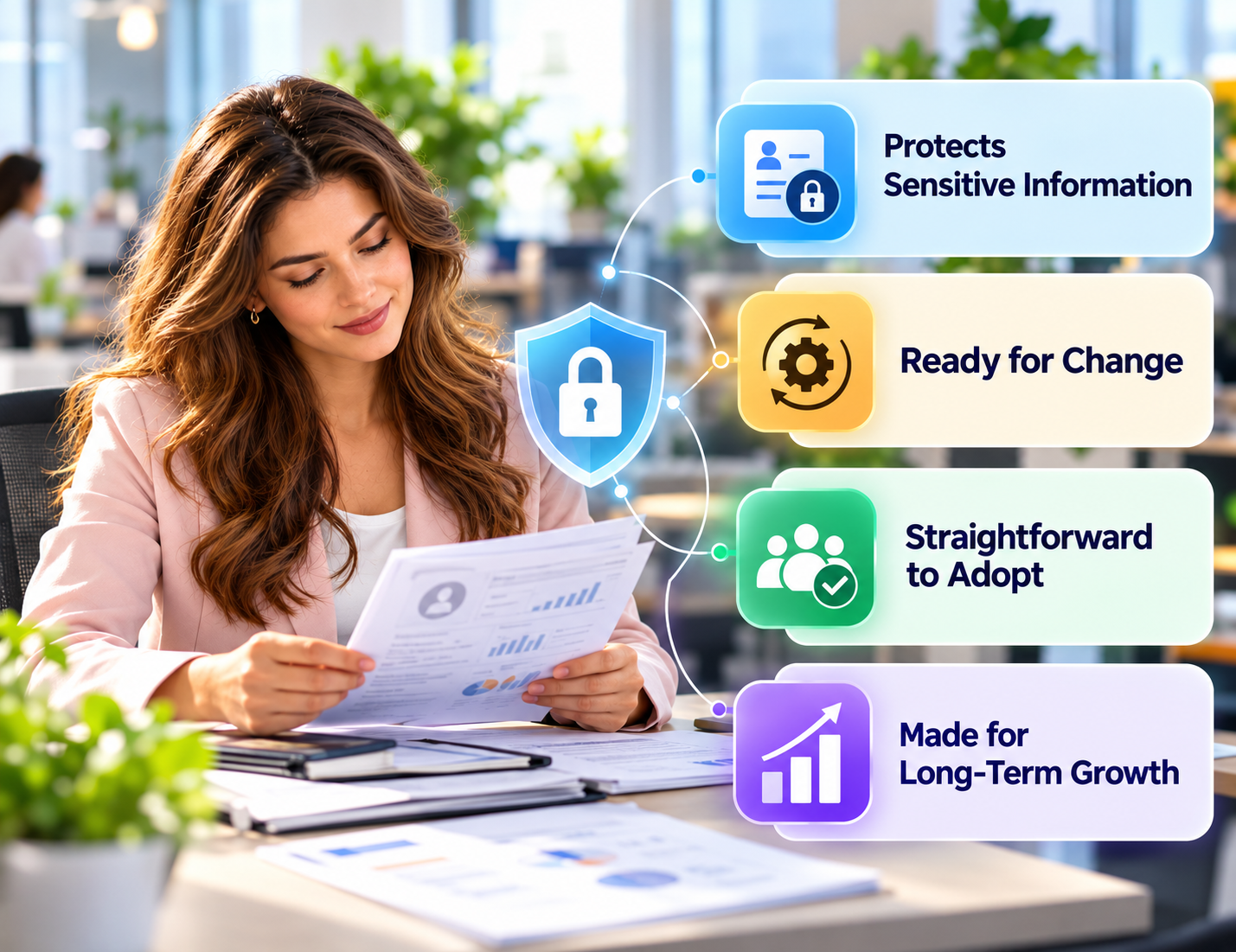
Protects Sensitive Information
Support responsible handling of employee information through controlled access and security-conscious practices across the HR environment.
Ready for Change
Accommodate evolving workforce structures, organizational priorities, processes, and HR requirements without forcing disruptive platform changes.
Straightforward to Adopt
Make implementation easier for HR teams with a practical approach that supports adoption without unnecessary operational disruption.
Made for Long-Term Growth
Give your organization an HR foundation that continues to support evolving workforce needs as your business grows.
See the Business Value of Knowing Your Workforce
Recognize meaningful workforce shift sooner, giving HR more time to understand and respond appropriately.
Develop a broader understanding of what is happening across teams, departments, locations, and employee groups.
Make staffing and workforce planning decisions with a clearer understanding of changing employee patterns.
Bring clearer workforce context into discussions about people, organizational priorities, and future workforce requirements.
Identify emerging workforce trends that can help HR pay closer attention to retention concerns.
Help HR move beyond responding to workforce issues only after significant changes have occurred.
Give HR leaders strong context when evaluating workforce priorities, challenges, and organizational changes.
Give decision-makers greater confidence when preparing for staffing changes, organizational growth, and evolving workforce requirements.
Start Seeing Your Workforce Differently
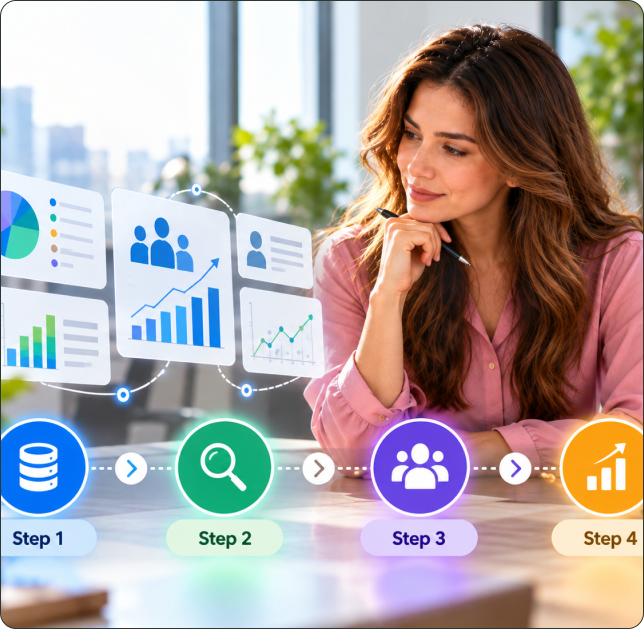
Step 1 :
Examine available workforce information and identify the employee data needed for meaningful analysis.
Step 2 :
Decide which workforce areas, trends, or organizational questions should receive attention based on current priorities.
Step 3 :
Introduce workforce analytics to the relevant HR and leadership teams and establish a practical review process.
Step 4 :
Use what you uncover to refine priorities and strengthen how your organization understands its workforce.
For Organizations Where People Drive Performance
Growing Businesses
Understand how hiring, headcount, turnover, and workforce composition change as the organization expands.
Large Enterprises
Examine workforce movement across multiple departments, locations, employee groups, and complex organizational structures.
Technology Companies
Keep track of rapid workforce growth, changing team structures, hiring activity, and employee movement.
Healthcare Organizations
Understand workforce patterns across departments, roles, shifts, locations, and changing staffing requirements.
Manufacturing Companies
Examine attendance, workforce movement, staffing patterns, and employee trends across operational teams and facilities.
Professional Services Firms
Gain perspective on workforce growth, employee movement, team structures, and staffing patterns across service-focused operations.
Retail Businesses
Understand workforce trends across stores, locations, roles, staffing levels, and employee attendance patterns.
Education Institutions
Examine workforce changes across faculty, administration, support teams, departments, and different employee groups.
Multi-Location Organizations
Compare workforce patterns across offices, branches, regions, or sites to understand how people trends vary.
Your Workforce Is Changing. Are You Seeing It?
Bring workforce movement, employee trends, and organizational changes into a sharper perspective so your HR team can recognize important shifts before they become easy to overlook.
Frequently Asked Questions
What is Workforce Analytics in HR?
Workforce Analytics uses employee and workforce data to identify patterns, trends, and changes that help organizations understand their people.
Why is Workforce Analytics important for businesses?
Workforce Analytics helps organizations understand workforce changes more clearly, supporting informed planning around employees, staffing, retention, and organizational growth.
What can Workforce Analytics measure?
Workforce Analytics can examine areas such as headcount, turnover, hiring, attendance, performance, employee movement, workforce composition, and retention.
How does HRCRM support Workforce Analytics?
HRCRM helps organizations examine workforce information and understand employee trends, giving HR teams greater context for workforce planning and management.