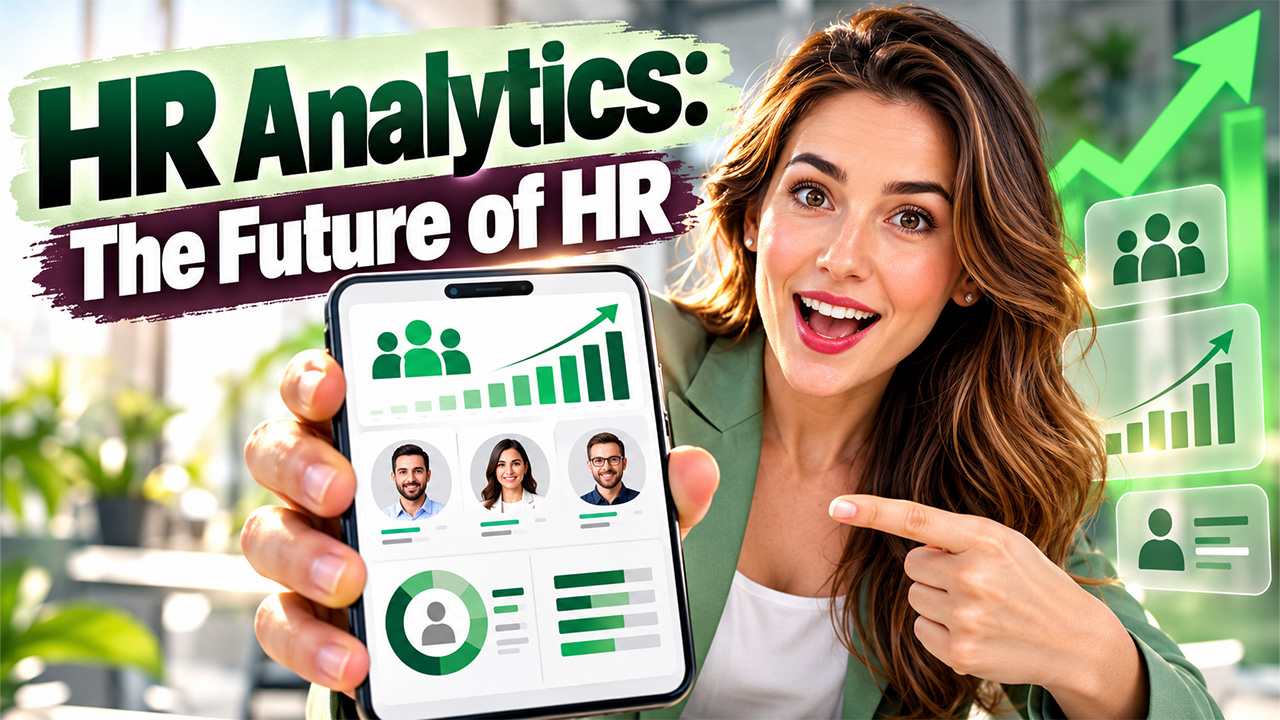

Data is a goldmine for businesses and helps in transforming business strategies across different departments. Human resources is no exception. As work environments today change quickly, it is important to make recruitment, engagement, and retention more data driven. Businesses need to take more informed choices and remove guesswork from the picture throughout their HR processes. Almost more than 70% of HR leaders now see analytics as an important aspect of their strategy.
HR analytics is modifying how organizations make choices about people. When HR executives have the right data and actionable insights, HR teams can boost their productivity, minimize turnover, and make prudent strategies. Instead of just depending on instinct alone, organizations extract helpful insights from HR analytics tools to make their HR processes more efficient, fair, and compliant.
In this detailed article, we will study what is HR analytics, how it operates, and the important practices and metrics that empower it-
What Are HR Analytics?
The process of collection, analysis, and interpretation of data is known as HR analytics. The purpose of HR analytics is to make HR decisions more intelligent and data driven. Essentially, it gives insights regarding the workforce dynamics, helps in streamlining the HR practices, and aligning talent strategies with overarching business goals. Organizations can utilize HR analytics to improve employee engagement, enhance retention rates, and make organizational practices better.
HR Analytics Vs People Analytics: What Is the Difference?
You will see people using the terms HR analytics and people analytics interchangeably. HR analytics involves assessing data particular to HR functionalities, such as performance, recruitment, and compensation management. Its focus is to simplify HR operations and enhance processes within the HR department.
Talent analytics or people analytics is a broader term. It centralizes data from different sources, i.e., team member surveys, HRMS, and even external LMS tools. It gives you a more comprehensive picture of workforce trends through workforce analytics. This wider approach allows businesses to comprehend behaviors, predict outcomes, and establish a more robust connection between business goals and people. While both provide crucial insights, people’s analytics go beyond conventional boundaries of HR to assess the complete employee lifecycle.
HRIS Vs HR Analytics
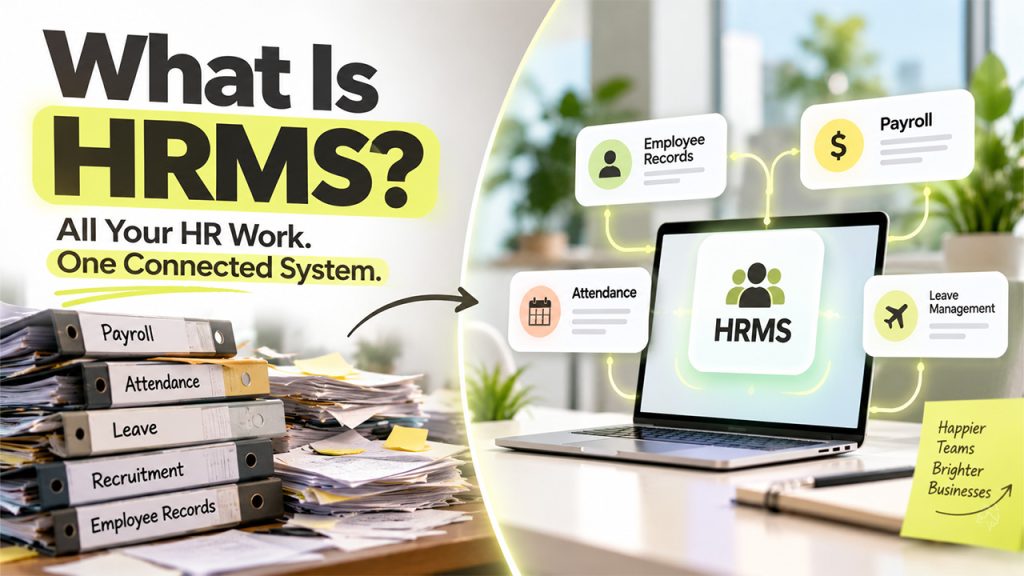
HRIS (Human Resource Information System) and HR analytics are closely associated. HRIS is a software specialized to store as well as handle employee data such as job history, personal details, payroll, and benefits. It is the core foundation for making sure that HR data remains accessible and organized. While HRIS is a tool that stores the data, HR analytics converts this data into actionable insights. Together, they provide a great combination for transforming strategies and ensuring intelligent business decisions.
How Does HR Analytics Work?

Jonathan Ferrar has described HR analytics as an eight-step model. The eight steps are described as follows:
Step 1: Frame Business Questions:
Ask yourself key questions such as: 1) Why do you want to use HR analytics presently? 2) What are your HR goals? 3) What are your business goals, etc. Once you have framed such questions and explored them, you can proceed ahead with clear goals aligned with your business goals. This will make sure that you do not waste effort and time on unimportant things.
Step 2: Establish the Hypothesis:
Before you start the HR analytics process, it is important to be clear about what specific issues you have in mind. What do you think the underlying issue is? How can you fix it? Establishing a hypothesis will allow you to connect your business questions with the data that you will collect later.
Step 3: Collect Data:
Now that you know what you are looking to achieve and have a clear hypothesis, it is time to collect the data. Check out the broad type of sources, both external and internal, to make sure that the data is objective, correct, and relevant.
Step 4: Do the Analysis:
Verify your hypothesis by using statistical and data analysis. Check for patterns and then check whether anything points to a particular problem or solution.
Step 5: Present Your Insights:
Show your findings to your managers, colleagues, and stakeholders. Ascertain that you are utilizing a language which is simple for everyone to understand and be prepared to respond to queries that may emerge.
Step 6: Define Recommendations:
Once you have the findings, it is time to define the suggestions. What possible solutions do you see to the issues that you have identified? What next steps do you want to take going forward? Ensure that you are getting the inputs shared by your colleagues at the time of sharing your presentation into account to help fill up any blind spots that your team and you might have.
Step 7: Prove Your Point:
HR reporting typically needs more than just words. For instance, leverage visualization and more to allow everyone to interpret the findings as well as the next steps.
Step 8: Execute and Assess:
The last steps that you have to take are execution and evaluation. Check out all your findings and then make a decision on what you will execute and when. After that, you can check whether the decisions were the correct ones or not and whether the business has improved as expected.
What Are the Benefits of HR Analytics?
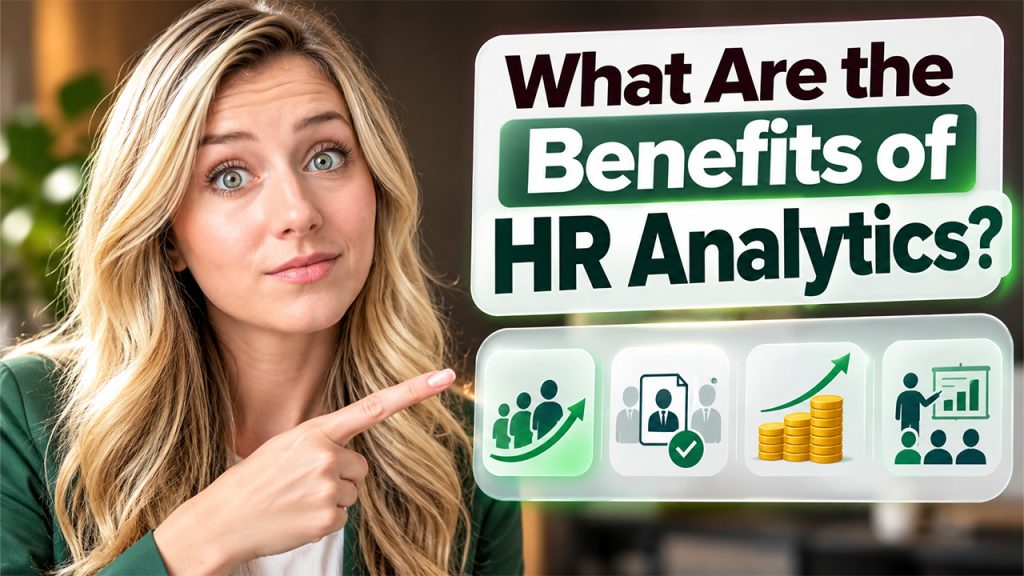
Leveraging HR analytics and reporting can help you make more effective and better plans for the future and enhance your business productivity and performance. You will be able to establish objectives once the strategy is clear in your mind. Here are a few major advantages of utilizing HR analytics:
Enhance Retention Strategies:
Retention is important for business performance. High rates of voluntary turnover typically mean losses in revenue. However, effective strategies of retention are not always simple to craft:
- What is helping you retain your employees?
- What is making your employees leave?
- Do they have remuneration or environment problems?
- Do the employees need more opportunities for growth?
- What is the level of engagement?
HR analytics can help you get answers to all these queries and much more. By assessing distinct metrics associated with your workforce, you can figure out the factors that lead to resignation and also the factors that lead to retention.
Create an Effective System of Payroll:
Payroll management systems play a significant role in your company. However, they often get complex unnecessarily. For example, you might want to create a program for merit to increase, but you end up with an ineffective plan that leads to revenue loss and dissatisfaction.
Once again, HR analytics can play a key role in this. By checking the metrics associated with costs, revenue, productivity, and performance, you can build an effective system that improves employee satisfaction, minimizes your losses, and improves retention.
Enhance the Recruitment Process:
For a company, there can hardly be any process more important than recruitment. It needs money and time, so your effectiveness needs to be high. The objective is to attract the best talent with minimum recruitment costs. Increasing your offer acceptance rate is yet another important aspect of the recruitment process.
HR analytics allows you to check the metrics that are important and make the right decision that will enhance the process of your talent acquisition. These involve the following, but they are not limited to it:
- The cost to recruit.
- The time to hire.
- Overall offer acceptance rate.
- Quality of Hire
- Applications per opening
- First-year attrition
- Recruiter performance metrics
- Time to productivity
Quality Training Programs:
Training is another key aspect of the overall success of the company. However, training is expensive and when the ROI is not clear, you just end up with a lot of wasted money. Before and when running a training, ensure that you collect distinct data that can help you assess the process and the overall impact it has on your productivity, while tracking training progress. You can also organize different surveys to check how employees perceive your training and keep tabs on the overall productivity and output before and after training is done.
Get Insights on Employee:
What are the primary factors that affect productivity and satisfaction of employees? Do they want to stay or leave? Are they feeling engaged? All of these and more are some important questions and steps you can take to enhance their overall experience. By utilizing HR analytics, you will find answers and much more. Using these insights, you can take steps to enhance engagement, retention, and productivity.
Conclusion
HR analytics provides HR teams with a measurable basis that were driven by the instinct once. Once you apply it via an eight-step model of Ferrar, it aligns business questions to actual workforce data and links each recommendation to a result that you can check.
The HR analytics benefits are vital:
- Robust strategies for retention.
- A structure of payroll created on performance and cost data.
- Cheaper and quicker recruitment.
- Training programs with a clear ROI.
- Much better insight into productivity and employee satisfaction.
To get such outcomes, begin with a fixed business question, keep track of your HR analytics metrics that align with it, and select HR analytics tools that fit your present HRIS. You can also combine such tools with an existing employee management system that check these numbers consistently establish a workflow that holds up as your business requirements evolve.
Frequently Asked Questions
What do we mean by HR analytics?
HR analytics is defined as the process of collection, assessment, and executing HR data to make data-driven and intelligent decisions. It provides insights into workforce dynamics and aids in aligning talent strategies with business objectives.
What is the main difference between people analytics and HR analytics?
HR analytics emphasizes data particular to HR functionalities like recruitment, performance, and compensation. People analytics is a much broader term, and integrating data from sources such as HRCRM software, employee surveys, and LMS tools to complete the entire employee lifecycle.
What are the main advantages of HR analytics?
HR analytics aids in boosting retention strategies, establishes a payroll management system as per cost data and performance, and makes recruitment quicker and cost-effective. It also helps in optimizing training programs with a clear Return on Investment and providers a much better insights into satisfaction and productivity.
Which HR analytics metrics that businesses need to keep track of?
Recruitment metrics comprises time to hire, cost to recruitment, quality of hire, offer acceptance rate, and first-year attrition. Time to productivity and recruiter performance are also worth keeping track of.
How can HR analytics and HRIS platforms operate together?
An HRIS stores as well as streamline employee data like payroll, job history, and advantages, while HR analytics tools convert this data into actionable insights. For the right results, prefer HR analytics tools that align with your existing HRIS.